The Experience That Connects Classic And Digital Gaming
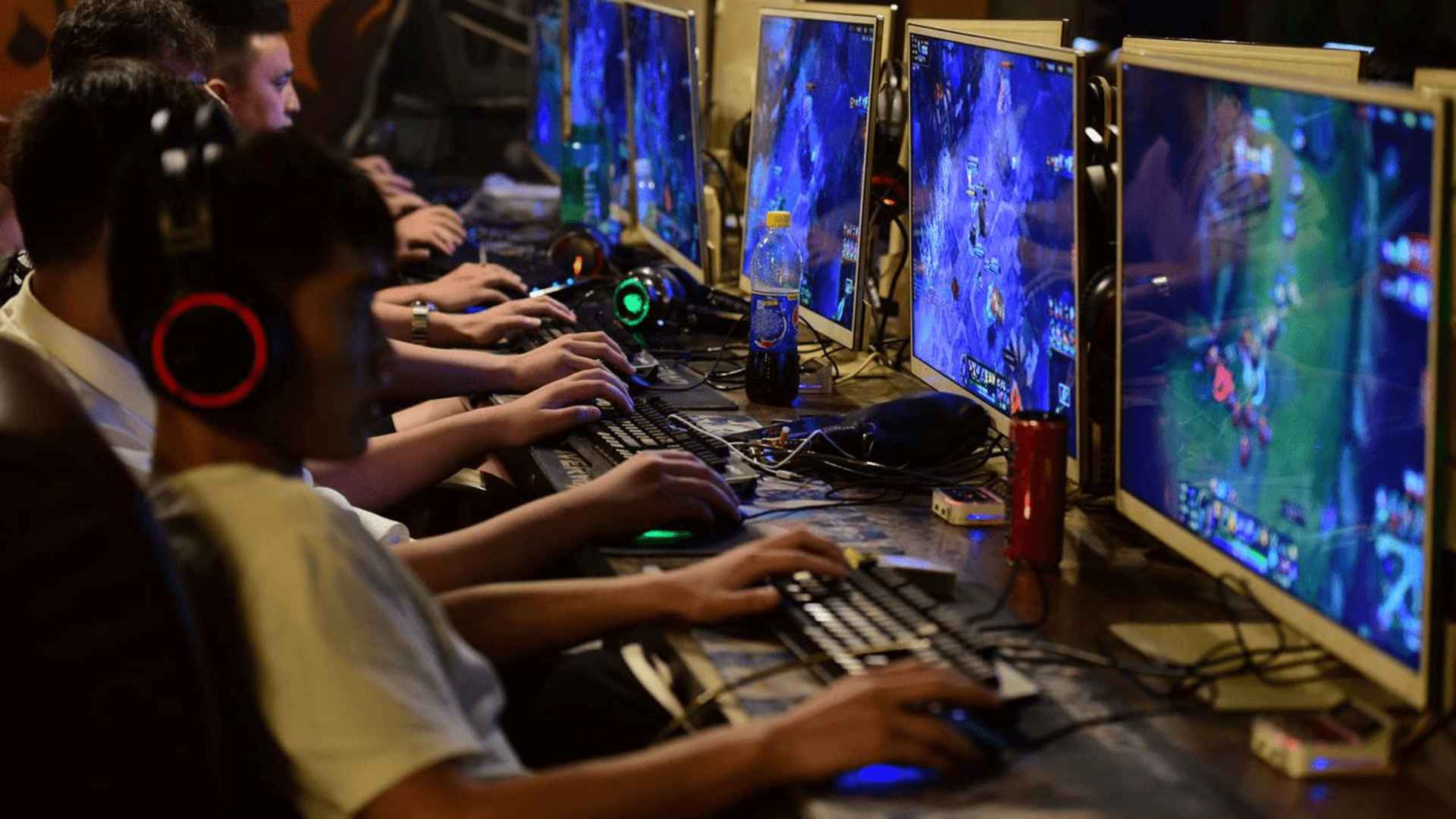
The gaming world has undergone a massive transformation, moving from traditional physical setups to highly immersive digital environments. Despite these technological shifts, the core human desire for connection, strategy, and shared entertainment remains entirely unchanged. Modern platforms are successfully bridging this historical gap by blending classic tabletop mechanics with cutting-edge streaming capabilities.
The Evolution of Shared Table Dynamics
Traditional card games and tabletop activities have long been celebrated for their ability to bring people together around a physical surface. In the digital era, software developers are working hard to preserve this essential social fabric within virtual spaces. By introducing real-time multiplayer features and community hubs, online platforms allow participants to experience the same camaraderie from the comfort of home.
This structural adaptation ensures that modern audiences do not lose the human element that made traditional gaming so popular. For instance, exploring an updated platform like the m88 link 2 provides a clear example of how classic entertainment transitions smoothly into the digital age. Ultimately, the integration of interactive chat features helps replicate the vibrant energy originally found only in physical halls.
Bridging the Gap via Real-Time Streaming
One of the most significant breakthroughs in modern gaming is the implementation of high-definition broadcast technology. Instead of relying purely on computer-generated graphics and randomized algorithms, many platforms now feature real human hosts managing physical equipment. This transparency builds an immediate layer of trust and engagement that automated software simply cannot achieve.
Spectators are no longer isolated individuals playing against a sterile interface, but active participants in a live event. The subtle rituals performed by professional presenters add a sense of occasion to every single round. This synthesis of physical authenticity and digital accessibility continues to redefine global standards for interactive entertainment.
Preserving Core Mechanics in Modern Formats
While the visual presentation has shifted dramatically, the underlying rules governing classic games remain reassuringly familiar. Newcomers can easily step into these digital spaces without the burden of learning entirely new strategic frameworks. This intentional simplicity keeps the barrier to entry low while maintaining a high level of sophisticated engagement.
Veterans of traditional tables find comfort in recognizing familiar patterns, while younger generations appreciate the streamlined digital workflow. By balancing minimalist decision-making with rapid technological delivery, developers ensure the longevity of these classic pastimes. The focus remains squarely on the emotional thrill of the progression rather than unnecessary technical friction.
The Future of Integrated Gaming Experiences
As virtual and augmented reality technologies continue to mature, the distinction between physical and online layouts will blur even further. Future platforms will likely allow players to visualize complex environments and interact with peers in fully realized three-dimensional spaces. This constant innovation guarantees that the foundational spirit of classic gaming will endure for decades to come.
The ongoing dialogue between tradition and technological advancement is creating a more inclusive global community. By prioritizing occupant comfort, social connectivity, and transparent mechanics, modern platforms are setting a new standard. The timeless appeal of gathering for a shared challenge will always find a home, no matter how the medium evolves.